SCHEDULE YOUR CONSULTATION TODAY

Geometric & Roman Pool Installation in California

Roman Pool Design and Construction

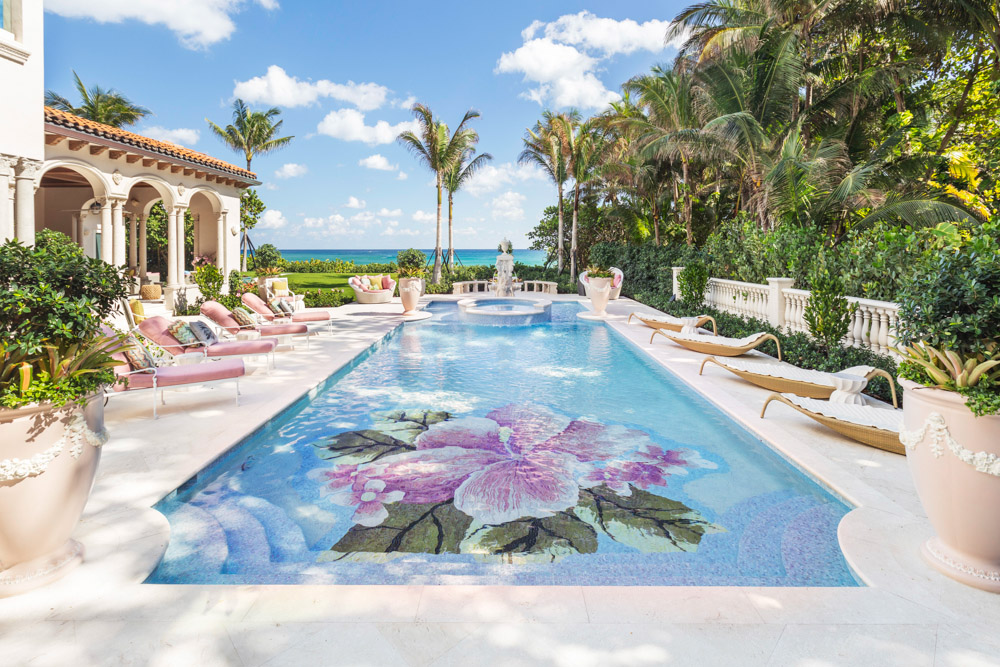
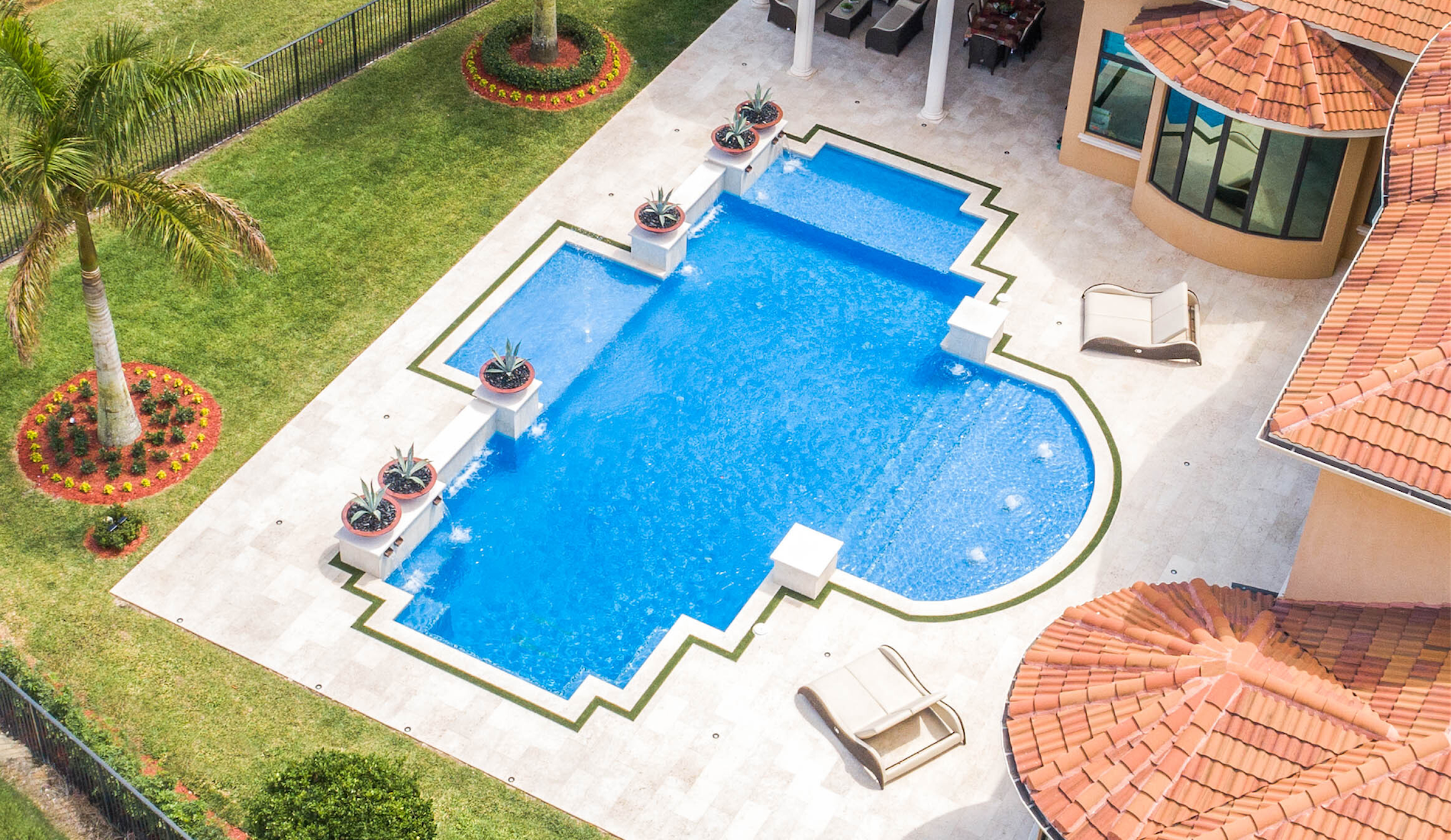
A roman pool is a rectangular pool with defined architectural details, rounded or notched ends, symmetrical step entries, columned edges, and classical proportions inspired by ancient Roman bath houses.

Roman pool design emphasizes clean structure with decorative elements: raised bond beams, mosaic pool tiling, stone coping, and integrated spa alcoves that give the pool a formal, estate-level presence.

The California Pool & Spa Atelier is a licensed roman pool builder serving homeowners across Southern California, including Los Angeles, Pasadena, Irvine, Glendale, and dozens of cities across California. We design and build roman pools tailored to each property’s architecture, lot layout, and the homeowner’s vision.

Geometric Pool Installation

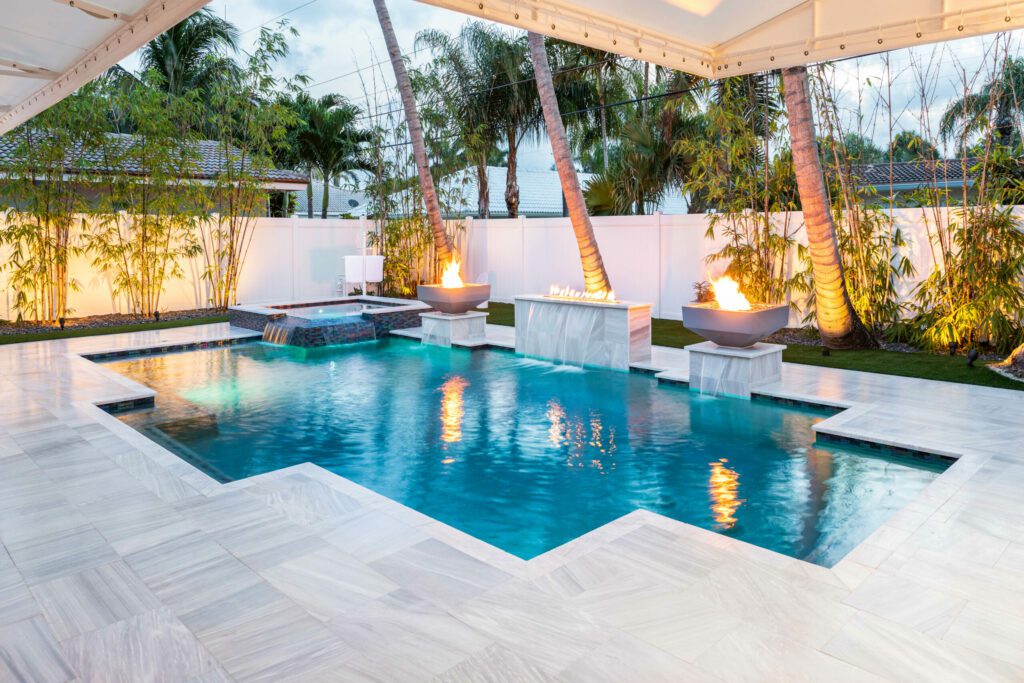
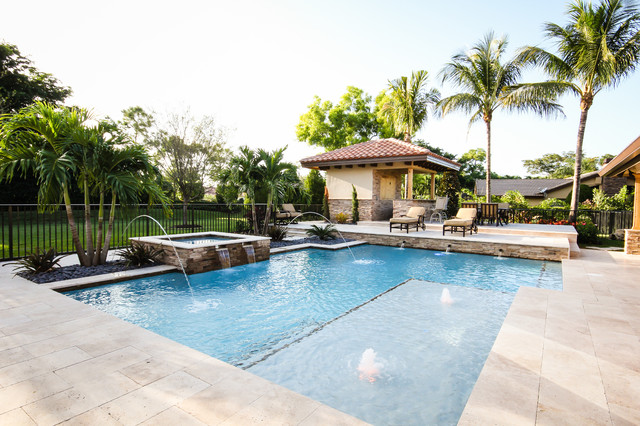
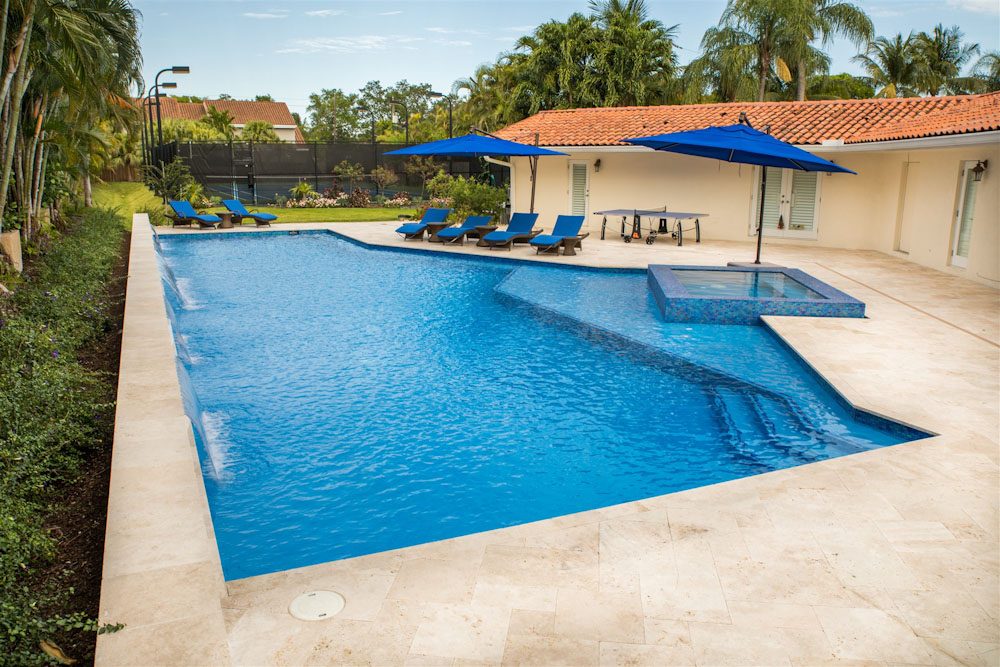
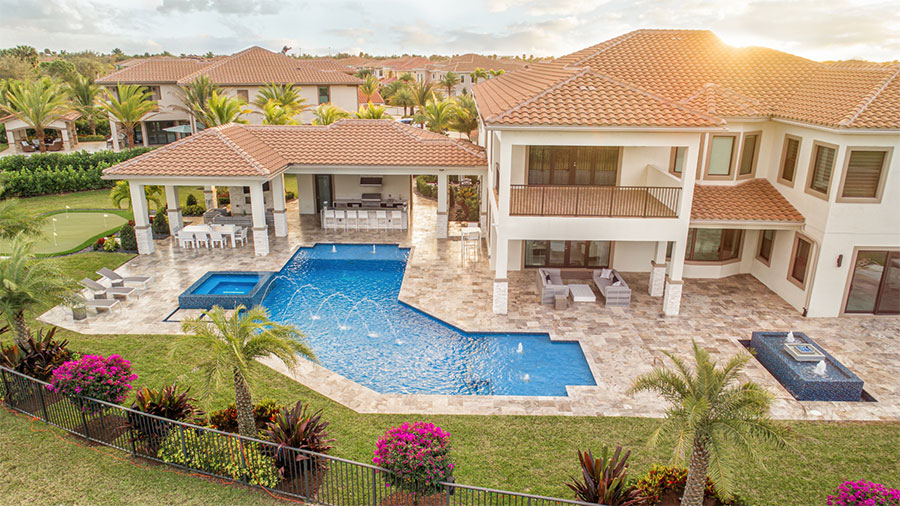
Geometric pools use straight lines, sharp angles, and defined shapes, such as rectangles, squares, L-shapes, and T-shapes to create a structured, modern look.

Geometric pool designs complement contemporary and mid-century architecture where clean lines and symmetry define the property’s aesthetic. Unlike freeform or lagoon pools, geometric swimming pools maximize usable swim area within a defined footprint, making them well suited for lap swimming, water exercise, and properties where space efficiency matters.

As experienced geometric pool builders, we handle every phase of pool installation, structural engineering, permitting, construction, tile, and equipment under a single contract. 

How to Choose Between Roman and Geometric Pools

The choice between a roman pool and a geometric pool comes down to architectural style and the look you want for your backyard. Roman pools are best suited for properties with traditional, Mediterranean, or estate-style architecture; the rounded ends, decorative tile work, and classical symmetry create a formal focal point. Geometric pools fit modern, contemporary, and mid-century homes where straight edges and minimal ornamentation match the property’s design language. Both styles share the same structural foundation engineered concrete or gunite shells, steel reinforcement, and precision-graded surfaces and both support the full range of custom pool features: integrated spas, fire and water bowls, LED lighting, sun shelves, raised walls, and custom pool tiling. During your free consultation, our design team evaluates your property’s architecture, lot dimensions, and how you plan to use the pool to recommend the right style and layout.

luxury geometric pool

Contact a Licensed Roman and Geometric Pool Builder in California

If you’re looking for geometric swimming pool builders or roman pool builders in Southern California, The California Pool & Spa Atelier offers design consultations. Our team evaluates your property, discusses your design goals, and provides a project plan tailored to your site, architecture, and budget. With 1,800+ completed projects and 25+ years of design-build experience, we handle the full scope like pool design, engineering, permits, construction, and finishing under one contract. Contact us at (818) 351-5070 or request a consultation online to get started.

geometric pool design
geometric pool
Luxury geometric pool
roman pool design
luxury roman pool

Frequently Asked Questions

Yes, classical pool shapes are fully compatible with modern technology and custom features. Common upgrades include automated lighting systems, smart pool controls, variable-speed pumps, saltwater chlorination, integrated spas, and energy-efficient heating. Design features like infinity edges, sun shelves, swim-up bars, and deck jets can be incorporated into the Roman shape without compromising the classical proportions. The combination of traditional aesthetics with modern engineering is one of the reasons this style remains popular, it delivers the formal look homeowners want with the performance and convenience of current pool technology. 

Yes, straight-edged pool shapes are one of the best options for smaller properties because the defined footprint maximizes usable swim area within a tight space. A rectangular or square layout fits efficiently against property lines and existing structures without the wasted perimeter that curved shapes can create. L-shaped and T-shaped variations work well for lots with irregular dimensions, allowing separate zones for swimming and lounging within a compact design. During the consultation, our team evaluates your lot dimensions and setback requirements to recommend a layout that makes the most of the available space.

Straight-edged pools are generally easier to maintain than curved or freeform designs. The defined corners and flat walls allow automatic pool cleaners to navigate more efficiently, and the consistent shape makes it easier to monitor water circulation and chemical distribution. There are fewer areas where debris can accumulate compared to pools with irregular contours or hidden nooks. That said, maintenance requirements also depend on the finish material, equipment quality, and surrounding landscaping, a well-built pool of any shape should be straightforward to maintain with proper equipment and routine care.

Roman pools complement Mediterranean, Spanish Colonial, Tuscan, and traditional estate-style homes where classical architecture is already part of the property’s design language. The rounded ends, decorative tile, and symmetrical proportions mirror the arches, columns, and stonework found in these architectural styles. That said, a scaled-down version with cleaner finishing can also work with transitional homes that blend traditional and contemporary elements. The key is matching the pool’s level of ornamentation to the property, a heavily detailed mosaic build suits a formal estate, while a simpler Roman shape with modern finishes fits a more understated home.

Yes, blending the two styles is common. A rectangular pool body with a single Roman end on one side is one of the most popular hybrid layouts, it gives you the clean lines and swim space of an angular design with the formal entry point and visual interest of a classical shape. Other combinations include adding arched step entries to an L-shaped layout or incorporating decorative tile accents and raised bond beams into an otherwise modern rectangular build. Our design team works with homeowners to find the right balance between structured simplicity and classical detail based on the property and personal preference.

The finish depends on the style and the look you want. Roman builds typically use mosaic glass tile, hand-laid ceramic tile, travertine coping, natural stone decking, and detailed masonry work on raised walls and bond beams materials that reinforce the classical aesthetic. Angular designs lean toward simpler, modern finishes: pebble aggregate, exposed quartz, porcelain tile, and concrete or limestone coping with clean edges. Both styles use the same structural shell reinforced gunite or shotcrete and both support premium upgrades like glass bead finishes, custom waterline tile, and natural stone throughout. Material selection is part of the design consultation, where our team matches finishes to the property’s architecture and the homeowner’s budget.