Residential swimming pools in Southern California have grown in popularity in recent years due to the appeal of a personal backyard oasis. This trend reflects not only the desire for a luxurious lifestyle but also the region’s ideal climate for year-round swimming. However, pool ownership is not without its challenges. Understanding and adhering to California code, laws, and regulations regarding swimming pools is paramount to ensuring the safety and legality of these aquatic havens.
Understanding California Pool Code
The California Pool Code serves as a comprehensive guideline designed to ensure the safety, design, and construction of pools in residential settings. Its primary aim is to minimize the risk of accidents, particularly drowning and slip-and-fall injuries. The code addresses various aspects, including but not limited to, pool fencing, signage, depth markers, and anti-entrapment devices.
Key Aspects of the Code Affecting Pool Construction, Design, and Safety Features
Several key aspects of the California Pool Code significantly influence pool construction and design. For instance, the California Pool Fence Law mandates barriers around pools to prevent unsupervised access by children. These fences must meet specific height requirements, not be easily climbable, and feature self-closing and self-latching gates.
Another critical safety feature governed by the code is the requirement for anti-entrapment devices. These devices are designed to prevent swimmers from being sucked into pool drains, a serious hazard that can lead to drowning or serious injury.
The Role of Local Ordinances and How They Complement or Exceed State Requirements
While the California pool code provides a baseline for safety and construction standards, local ordinances in Southern California may complement or exceed these state requirements. For example, some localities might impose stricter fencing requirements or additional safety features like pool alarms. Adherence to both state and local regulations is crucial for legal compliance and ensuring the safety of pool users.
Permitting Process
Step-by-Step Guide on How to Apply for a Pool Building Permit in Southern California
Initial Application
The first step in the permitting process involves submitting an initial application to the local building department. This application should outline the project scope, location, and owner details.
Required Documents and Plans
Applicants must provide detailed plans that comply with both the California Pool Code and local ordinances. These documents typically include site plans, construction details, and safety feature specifications.
Inspection Requirements
Before approval, pools must undergo several inspections to ensure compliance with the set standards. These inspections cover various construction phases, from pre-groundbreaking to final approval.
Average Time Frame for Permit Approval
The timeframe for obtaining a permit can vary significantly depending on the jurisdiction and the complexity of the project. On average, it can take anywhere from a few weeks to several months. Applicants can expedite the process by ensuring that their plans are comprehensive and in compliance with all relevant codes and regulations.
California Pool Fence Law
Detailed Explanation of the California Pool Fence Law: Objectives and Specifications
The California Pool Fence Law is a critical component of the state’s efforts to enhance safety around residential swimming pools. Its primary objective is to prevent accidental drownings, especially among young children, by requiring the installation of barriers that restrict unsupervised access to the pool area. The law specifies the design, construction, and placement of these barriers to maximize their effectiveness in preventing accidents.
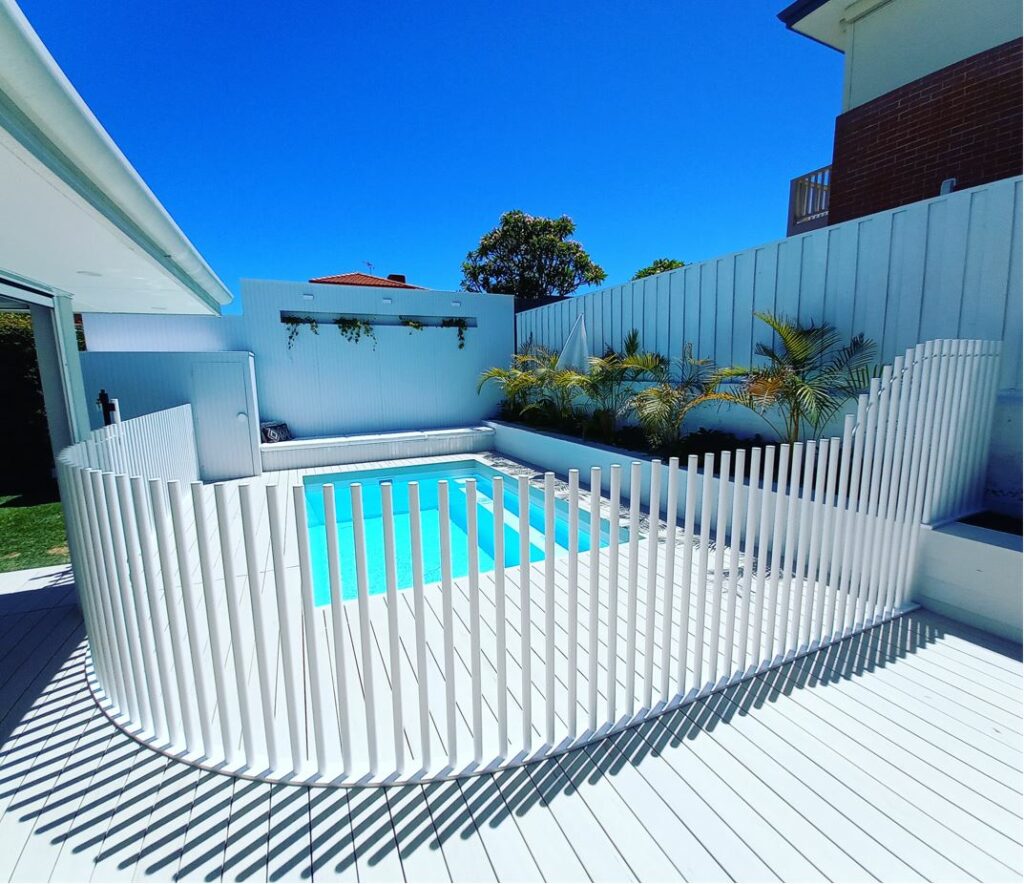
Requirements for Pool Barriers: Height, Material, Gates, and Self-Closing
Under the California Pool Fence Law, barriers must meet certain criteria:
- Height: The fence must be at least 48 inches high from the ground.
- Material: The material used should not be easily climbable and must withstand external pressures to prevent breaches.
- Gates: Gates must be equipped with self-closing and self-latching mechanisms, with the latch placed high enough to be out of reach of small children.
- Design: The design should prevent any openings larger than 4 inches in diameter to restrict small children from squeezing through.
Compliance with these specifications is critical to creating a safe environment around swimming pools.
Legal Implications for Non-Compliance and the Importance of Meeting These Standards for Homeowner Safety and Liability
Failure to comply with California’s pool fence law can result in serious legal consequences, including fines and increased liability in the event of an accident. More importantly, compliance with these standards is critical to protecting the lives of children and ensuring the safety and peace of mind of homeowners..
Safety Regulations and Requirements
Detailed Overview of Safety Regulations
Beyond fencing, California pool safety regulations encompass a broad range of requirements designed to prevent accidents and injuries:
- Alarms: Pool alarms that sound upon unauthorized entry into the water can provide an additional layer of pool safety.
- Drain Covers: Compliance with the Virginia Graeme Baker Pool & Spa Safety Act, which mandates specific types of drain covers to prevent entrapment, is essential for both public and private pools.

Importance of Complying with the Virginia Graeme Baker Pool & Spa Safety Act for Public and Private Pools
The Virginia Graeme Baker Pool & Spa Safety Act is a federal law aimed at preventing pool and spa entrapment hazards. Its compliance is not just a legal requirement but a moral imperative to safeguard the lives of pool users.
Permit Requirements for Building a Pool
Guide to Pool Building Permits in Southern California: Application, Documents, and Inspection
Obtaining a building permit is the first step in the pool construction process, ensuring that all planned works meet state and local safety standards. The process involves:
- Application: Submitting an application to the local building department.
- Documentation: Providing detailed plans, including site layouts, design specifications, and safety feature outlines.
- Inspection: Undergoing various stages of inspection, from pre-construction to final approval, to ensure compliance with all regulations.
The Significance of Permits in Ensuring Compliance with State and Local Regulations
Building permits serve as a formal approval process that your pool project adheres to the highest safety standards, minimizing risks and enhancing the pool’s safety for all users.
Tips for a Smooth Permit Application Process
To facilitate a seamless permit application process:
- Consult Early: Engage with local building departments early to understand specific requirements.
- Qualified Contractors: Work with experienced and licensed contractors familiar with California’s pool construction regulations.
- Comprehensive Plans: Ensure that your submission includes all necessary documents and plans to avoid delays
Hiring a Qualified Contractor
When embarking on the journey of installing a residential pool, selecting the right contractor is paramount. A reputable and experienced pool contractor will not only bring your dream pool to life but ensure that every aspect of its construction and design complies with California’s stringent pool laws and regulations.
Advice on Selecting a Reputable and Experienced Pool Contractor
It’s crucial to choose a contractor who is well-versed in the specific requirements of the California pool code. This includes knowledge of fencing laws, safety regulations, and local ordinances that may affect your pool design and construction.
The Importance of Verifying Contractor Licenses, Insurance, and References
Before making your selection, verify the contractor’s license status to ensure they are legally authorized to work in California. Checking for adequate insurance coverage is also essential to protect against potential liabilities. Additionally, ask for references and follow up on them to gauge the contractor’s reliability and quality of work.
How a Qualified Contractor Can Help Navigate the Complexities of Permits, Inspections, and Code Compliance
A qualified contractor will be your guide through the complexities of the permitting process, ensuring that all necessary documents are submitted and that the project adheres to all legal requirements. Their expertise can also streamline the inspection process, helping to avoid common pitfalls that might delay your pool’s completion.
Maintenance and Ongoing Compliance
Owning a pool in Southern California is an ongoing commitment to safety and compliance. Regular maintenance and adherence to California pool laws are essential for ensuring your pool remains a safe and enjoyable space.
Overview of Maintenance Responsibilities to Ensure Ongoing Compliance with California Pool Laws
Maintaining your pool involves more than just keeping the water clean. It includes ensuring all safety features meet current legal standards. This ongoing compliance helps prevent accidents and ensures your pool area is secure.
Regular Inspection and Upkeep of Safety Features like Fences, Alarms, and Covers
Regular inspections of fences, alarms, and covers are necessary to ensure they function correctly and comply with safety regulations. Any damages or malfunctions should be addressed promptly to maintain the protective barrier around your pool.
The Role of Homeowners in Promoting Pool Safety and Preventing Accidents
As a pool owner, you play a crucial role in promoting safety and preventing accidents. This includes educating family members about pool safety, enforcing rules, and ensuring guests are aware of and adhere to safety protocols.
Building and maintaining a pool in Southern California comes with significant responsibilities. Adherence to the California pool code, fence law, and safety regulations is not just a legal requirement but a moral imperative to ensure the safety of all pool users. By carefully selecting a qualified contractor and committing to ongoing maintenance and compliance, homeowners can enjoy the benefits of pool ownership while minimizing risks and promoting a safe swimming environment.