When it comes to swimming pool shapes and sizes, the options are vast, offering a diverse array from classic rectangles to freeform designs. Each shape brings unique features and benefits that can significantly influence both the aesthetics and functionality of your yard. In this article, we’ll delve into the factors crucial for selecting the ideal pool shape for your outdoor space.
Impact of Swimming Pool Shape on the Overall Aesthetics of Your Yard
The impact of your pool’s shape on your yard’s overall aesthetics is profound, serving as a visual anchor that can either seamlessly blend with the landscape or stand out as a striking focal point.
The classic rectangle is popular, known for its clean lines and timeless charm. It introduces symmetry and balance, making it a fitting option for those favoring a more traditional appearance. Moreover, the straight edges of a rectangular pool facilitate the incorporation of safety features like covers and fences.
Contrastingly, freeform designs offer an organic, natural vibe, often resembling a pond or lagoon with curves and irregular edges. Perfect for yards with existing rocks or trees, freeform pools seamlessly blend into their surroundings, creating a relaxed, casual atmosphere akin to a hidden oasis.
Tailoring the pool shape to your yard’s size and layout is crucial. For smaller spaces, a kidney-shaped pool, featuring a gentle curve, offers flexibility in placement and a visually appealing focal point. Conversely, expansive yards may accommodate lap pools, perfect for swimming laps and fitness routines.
Beyond aesthetics, your pool’s intended use is vital. For families or those who love hosting pool parties, a pool with a shallow end and a gradual slope ensures safe and easy access for swimmers of all ages. On the flip side, serious swimmers may opt for a deeper end and a diving board for a more fitness-oriented experience. Consider incorporating these features into your pool plans for a tailored experience.
Ultimately, your swimming pool shape choice is personal, reflecting your style, preferences, and usage plans. By considering factors like yard size, existing landscaping, and anticipated use, you can select a pool shape that not only enhances your outdoor space’s beauty but also promises years of enjoyment and relaxation.
Considering Your Backyard Space
When selecting a pool shape, the size and dimensions of your yard take center stage. Smaller yards benefit from rectangular or oval pools, efficiently using space. Larger yards provide more flexibility, accommodating various swimming pool shapes and allowing for a wider range of design options. Additionally, consider existing landscaping and structures; a pool shape that complements these elements contributes to a visually cohesive landscape.
Sunlight Exposure and Shade Patterns
The position and shape of your pool affect sunlight exposure throughout the day. Opt for a pool swimming shape aligned with the sun’s path if you desire sun-drenched lounging. Conversely, strategically position your pool for maximum shade patterns if a shaded environment is more appealing.
Assessing the Architectural Style of Your Home
Harmony between your pool and your home’s architectural style is crucial for a unified aesthetic—geometric swimming pool shapes like rectangular or L-shaped suit modern and contemporary homes. Circular or oval-shaped pools evoke classic elegance, making them ideal for traditional home designs. By selecting a pool shape that complements your home, you create a harmonious and visually appealing outdoor space.
Understanding the Functionality of Different Swimming Pool Shapes and Sizes
While aesthetics are vital, functionality plays an equally significant role. Let’s take a closer look:
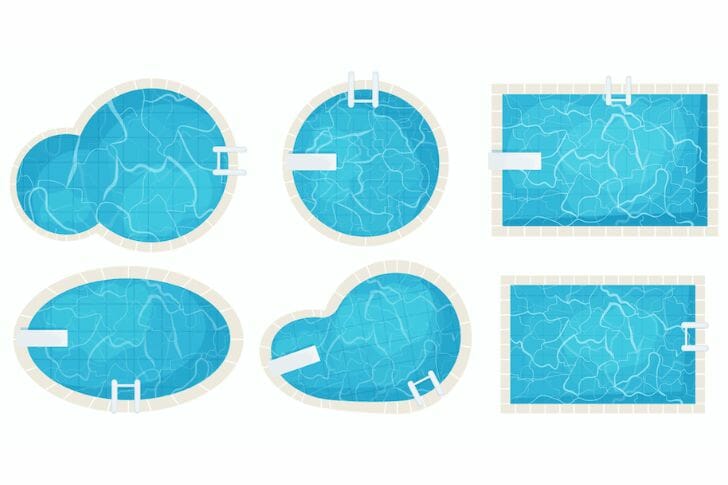
- Rectangular pools, with their straight edges, are ideal for swimming laps and water sports.
- Kidney-shaped pools offer a versatile layout accommodating both recreation and lounging.
- Freeform pools, with irregular shapes, create a relaxed atmosphere, perfect for an oasis-like experience.
- L-shaped pools merge functional space with design versatility.
- Circular and oval-shaped pools are great for relaxation and socializing, facilitating easy conversation and movement around the pool.
Consider integrating water features into your pool design to enhance both aesthetics and functionality, creating a dynamic and visually appealing aquatic environment. Incorporating water elements into your pool ideas can provide an added degree of luxury and ambiance to create the perfect sanctuary right in your backyard for those dreaming of quiet lagoon pool settings.
Considering Your Lifestyle
Your lifestyle and intended pool use play a pivotal role in shape selection. Families and frequent entertainers may prefer a pool shape with ample space for activities and seating. Those seeking a tranquil retreat may opt for a shape offering secluded areas for relaxation and personal enjoyment.
Budgetary Considerations
When choosing the right swimming pool shapes and sizes, it’s crucial to align your preferences with your budgetary considerations. Rectangular pools, with their straightforward design, usually offer a more cost-effective option, making them a practical choice for those mindful of expenses.
On the other hand, if you’re drawn to the allure of freeform or custom-designed pools, it’s essential to acknowledge that these options might come with a higher price tag. The uniqueness of their shapes requires more intricate planning and construction, rеquiring thе еxpеrtisе of еxpеrt pool buildеrs for a flawlеss rеalization.
Beyond the initial installation costs, it’s wise to factor in the long-term maintenance expenses associated with each shape. Some designs may demand more upkeep, and certain shapes could lead to higher energy costs for heating and cleaning purposes. Striking a balance between your desired pool shape and your budget ensures not only a successful installation but also an enjoyable and sustainable pool ownership experience in the years to come.
Selecting the right pool shape for your yard involves careful consideration of aesthetics, functionality, and lifestyle. By balancing your preferences with budgetary considerations, you ensure a satisfying and successful pool ownership experience. Let your chosen swimming pool shape not only enhance your outdoor space’s beauty but also provide maximum enjoyment for years to come.